


Buying in Liberty Hill means weighing more than a beautiful new home or a Hill Country view. Growth brings choice, but it also makes taxes, utilities, road access, restrictions, and future development essential parts of the decision. Use this checklist to evaluate the property behind the listing photos and move forward with a clearer picture of ownership.
Start With the Lot, Then Study What Surrounds It
Liberty Hill offers an appealing mix of newer neighborhoods, established homes, acreage, and Hill Country terrain. That variety is a strength for buyers, yet it also means that two homes with similar prices may have very different day-to-day costs, utility arrangements, tax obligations, and future surroundings. A careful due-diligence process turns an exciting showing into a well-supported decision.
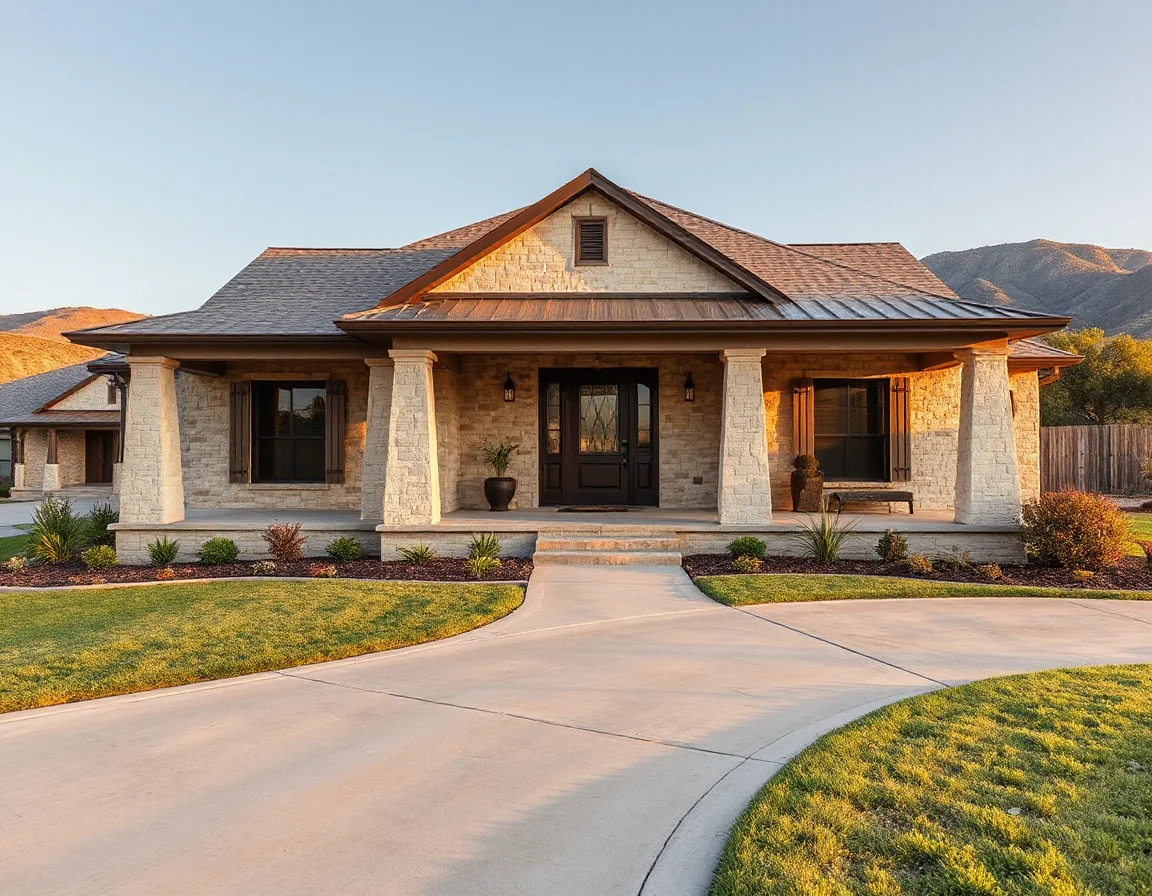
Begin with the land itself. Ask where water drains after a substantial rain, whether the yard grade changes sharply, and what lies beyond each fence line. An open pasture, wooded tract, or vacant field may be a protected greenbelt, a utility easement, privately held land, or a future construction site. Review the survey, subdivision plat, and publicly available planning information instead of assuming that today’s view will remain unchanged.
On larger homesites, confirm boundary lines, driveway access, easements, fencing responsibilities, and any shared-road arrangements. A current survey may identify setbacks, drainage areas, utility corridors, or encroachments that are not obvious during a tour. If the property includes a pool, workshop, gate, well, septic system, or propane tank, ask what conveys and request maintenance documentation when available.
Location research should be practical. Drive your likely routes to work, schools, shopping, medical appointments, and recreation at the times you expect to use them. Check the connection to major roads, identify alternate routes, and note nearby projects that could affect access. General commute estimates are useful, but a firsthand drive gives you the information that matters to your routine.
A quiet road, open tract, or sweeping view can add real enjoyment to a home, but it is not a promise about future development. Verify plats, easements, and planning information before assigning lasting value to what sits nearby.
Build a Realistic Monthly Ownership Budget
The purchase price is only one part of the financial picture. Before making an offer, examine property taxes, homeowners association dues, insurance, utilities, maintenance, and any district assessments. In a fast-growing Central Texas area, homes just a few miles apart can fall under different combinations of county, school, city, and special-purpose taxing entities.
Review the latest tax statement and determine whether it includes a homestead exemption, agricultural valuation, or another condition that may not apply after a sale. Your lender can estimate a future payment, but source documents help you understand how that estimate was built. With new construction, ask whether the current tax amount reflects only the land value and whether the completed home has been fully assessed.
When applicable, ask about Municipal Utility Districts, Public Improvement Districts, and similar infrastructure financing arrangements. These structures can support new roads and utilities in developing communities, and they are not automatically negative. Still, buyers should understand the assessment amount, duration, payment schedule, and whether the charge is included in the stated tax rate or billed separately. Request relevant notices early enough to review them before deadlines expire.
Utilities deserve the same attention as taxes. Confirm whether the home uses public water and sewer, a private well, septic, propane, or a combination of services. For well and septic properties, plan appropriate inspections and testing. Ask for historical electric, water, propane, and internet costs when they are available, while remembering that usage changes with occupancy, thermostat preferences, and weather.

Read Restrictions Before You Plan the Backyard
HOA documents often answer questions a listing cannot. Request the declaration, bylaws, rules, budget, reserve information, and current fee schedule as early as possible. Look for provisions affecting exterior changes, fences, parking, outbuildings, short-term leasing, pets, landscaping, and home-based activity. If a workshop, garden structure, trailer, future pool, or specific fence style matters to you, get the answer in writing.
For a resale home, ask about pending special assessments, unresolved violations, litigation, or expected fee changes. For a new home, determine when the association transitions from developer control and which amenities, roads, landscaping, or common areas are complete versus planned. A rendering may communicate a long-term vision, while governing documents and construction schedules clarify what is actually committed today.
It is also important to know whether the home sits inside city limits, in an extraterritorial jurisdiction, or in an unincorporated area. That detail can affect permitting, utilities, code enforcement, and approval for future improvements. Your agent, title company, inspector, and lender can help identify the right questions, but the final decision should rest on property-specific documentation.
New construction calls for an additional layer of review. Compare builder contract language, deposit requirements, change-order policies, estimated completion dates, warranties, included features, and upgrade pricing. A model home may showcase options that are not part of the base price. Confirm the exact elevation, floor plan, lot premium, finishes, appliances, landscaping, and window coverings included in your agreement.
The most useful questions are specific: What is included? Who maintains it? What does it cost? What approval is required? Written answers and supporting documents provide more protection than an assumption based on a model home or marketing brochure.
Use the Option Period to Investigate, Not Just Negotiate
In a competitive market, it can be tempting to focus only on price and offer terms. Due diligence gives those terms meaning. During the option period, prioritize inspections, document review, insurance quotes, lender questions, and follow-up with the seller or builder. Keep a written list of open items and deadlines so that important questions do not get pushed to the final day.
A general home inspection is an excellent starting point, but some properties need specialist review. Depending on the home, consider a roof evaluation, sewer scope, foundation assessment, pool inspection, septic inspection, well testing, pest inspection, or HVAC review. New homes also benefit from an independent inspection; construction is complex, and issues are easier to address before closing or before warranty periods end.
Request insurance information early. Ask about coverage availability, deductibles, wind and hail considerations, and home features that could affect the premium. An actual quote before closing is more useful than a broad online estimate. If the home is near a creek, drainage corridor, or low-lying part of a neighborhood, review flood information and consult qualified professionals about the property’s particular risk.

Use Local Perspective, Then Verify the Details
Liberty Hill continues to change as new neighborhoods, road improvements, retail options, and community amenities take shape. Local knowledge can help you compare Liberty Hill with nearby Georgetown, Cedar Park, Leander, Round Rock, and Austin, while also helping you recognize which questions deserve a closer look for a particular home.
That perspective should complement—not replace—verification. Review the contract, title commitment, survey, seller disclosures, inspection findings, tax records, utility information, and governing documents for the exact property you are considering. Your agent can help organize the process and connect the facts, but a confident purchase comes from understanding the details that affect your life and budget.
The goal is not to predict every change that may come to Central Texas. It is to understand the home, the land, the current obligations, and the likely costs well enough to make a decision with clear eyes. When a Liberty Hill property remains compelling after that research, you can move forward with greater confidence in the place you choose to call home.